
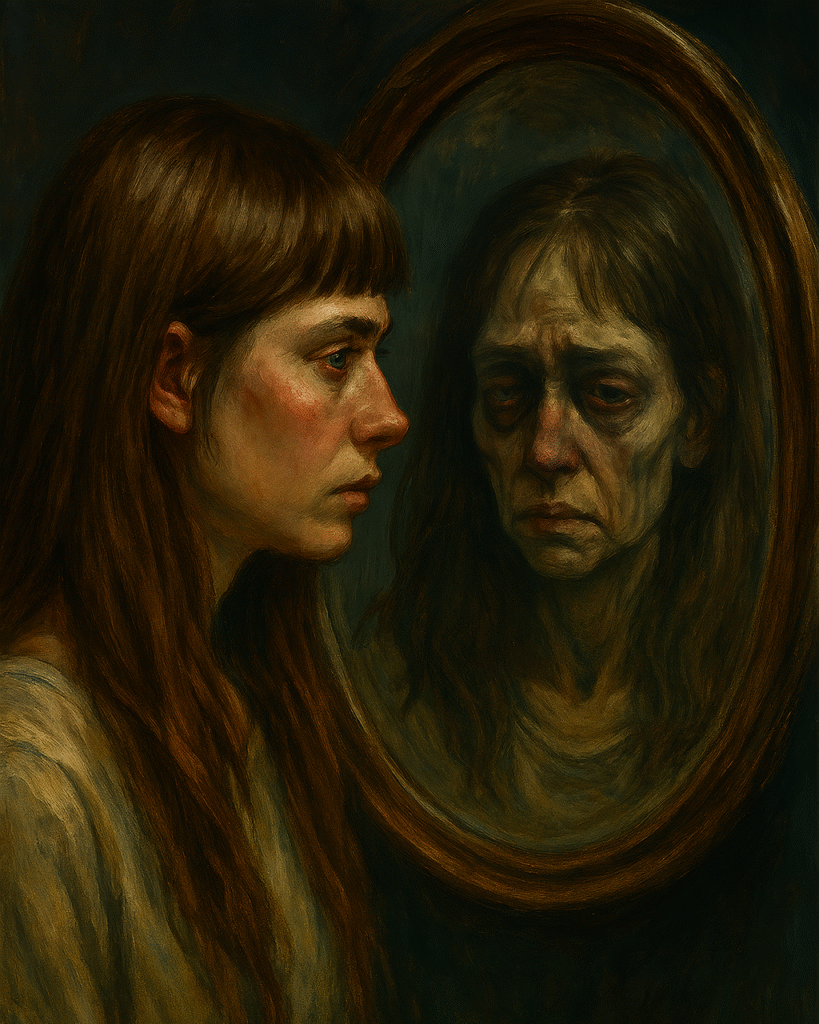
Lyme disease is caused by the Borrelia burgdorferi bacterium, typically transmitted through infected ticks. But that’s just the surface. Lyme isn’t merely a tick-borne illness that can be resolved with a short round of antibiotics. There are two distinct forms: acute and chronic, and the disease is multisystemic — meaning it can affect the entire body. Chronic Lyme disease doesn’t spread from person to person in the traditional sense. It isn’t contagious through touch, saliva, sharing drinks, or airborne transmission. However, in rare cases, the placenta may become infected, and if the mother has untreated Lyme, the infection can reach the unborn baby.
~ Did you know? Multiple studies and case reports have found Borrelia burgdorferi in placental tissue, umbilical cords, and in some cases, fetal tissue. While chronic Lyme isn’t contagious between people, it can cross the placenta if left untreated — especially when co-infections are also present. Proper antibiotic treatment greatly reduces the risk, and in most cases, no harm is done to the fetus. Yet documented outcomes may include miscarriage, stillbirth, premature birth, neurological damage, autism spectrum traits, and even ADHD-like symptoms.
Acute Lyme – When It’s Caught in Time
Acute Lyme disease is what most people recognize: a few days or weeks after a tick bite, a bull’s-eye rash (erythema migrans) may appear, sometimes along with fever, muscle aches, or headaches. If caught early and treated with antibiotics, most recover fully. BUT !!! here’s the twist: many patients never develop the rash, or don’t notice it. As a result, the infection quietly spreads through the body, progressing into a chronic form, with potentially serious symptoms.
Chronic Lyme – The Invisible Battle Within
Chronic Lyme, also known as Post-Treatment Lyme Disease Syndrome (PTLDS), can develop even after initial treatment. It’s marked by persistent symptoms such as fatigue, muscle pain, cognitive difficulties, anxiety, depression, joint pain, neuropathy, and more — often lasting months or even years after the infection is “presumed” to be gone. Several factors can contribute to its emergence: incomplete or ineffective initial treatment, reinfection, immune system dysfunction, flare-ups triggered by physical or emotional stress.
~ Did you know? Acute Lyme often shows such mild symptoms that people don’t even realize they’ve been infected — and the illness progresses silently into a chronic state. Chronic Lyme isn’t just about Borrelia itself. The infection can destabilize the immune system and even reactivate hidden pathogens. These secondary infections are known as co-infections.
Global Perspectives – Why Lyme Is So Divisive
Lyme disease is the subject of intense medical debate worldwide. Two main schools of thought dominate: IDSA (Infectious Diseases Society of America) views Lyme as a short-term infection, treatable with a 2–4 week antibiotic course. Persistent symptoms are, in their view, not active infection, but rather post-treatment effects (PTLDS). ILADS (International Lyme and Associated Diseases Society) recognizes chronic Lyme as a real condition, arguing that the bacteria can persist, hide, and remain active long-term. ILADS promotes individualized, longer treatments, especially when co-infections are present. This divide leaves patients caught between two realities — one says they’re cured, the other says they’re still sick. Meanwhile, they often suffer in silence. Lyme isn’t a simple infection. It’s a complex, multi-layered disease that can only be fully understood when we listen to patients — not just protocols.
Long-Term Antibiotics – Cure or Double-Edged Sword?
Extended antibiotic treatment remains controversial. Many patients report notable improvement during therapy, only to see symptoms return afterward. Additionally, long-term antibiotics can cause: autoimmune issues or serious gut microbiome damage.
Conclusion – There’s No Single Path, Only People and Stories
Some patients improve with extended or combined antibiotic regimens, going months or years symptom-free. Others relapse, or develop new complications. Patient testimonials reflect a 50/50 split between recovery and setback. For some, these treatments were life-saving; for others, they brought no lasting relief. This shows that success and failure both exist in the Lyme community. Treatment choices must be individualized, well-informed, and made with care.
~ Did you know? Though long-term antibiotic use is medically controversial, many chronic Lyme patients say it gave them their lives back — some describe it as being pulled back from the brink of death. Others, however, found that combined therapies had little effect or brought additional health challenges. The fight against Lyme looks different for everyone.
Invisible Allies – Co-Infections in the Shadows 🦠
Lyme disease rarely acts alone. Ticks can carry multiple pathogens, attacking the body together. These are co-infections, and they make diagnosis and treatment much more difficult. Common tick-borne co-infections include: Bartonella, Babesia, Anaplasmosis, Ehrlichia, STARI (Southern Tick-Associated Rash Illness)
According to LymeDisease.org, more than 50% of chronic Lyme patients have at least one co-infection, and 30% have two or more. Many report severe, persistent symptoms that cannot be explained by Lyme alone — and treatment often fails unless these co-infections are addressed directly.
~ Did you know? Lyme disease and co-infections together can cause over 60 different symptoms — some sources estimate even 100+. These symptoms may shift daily, affecting entirely different organ systems: the nervous system one day, the joints or hormones the next. This unpredictability makes living with Lyme especially challenging — you never know if you’ll wake up to a good day… or one where even basic tasks feel impossible.
Symptoms Experienced by Lyme Patients Worldwide — Day After Day
Here is a comprehensive list of symptoms that people with Lyme disease commonly experience on a daily basis:
• Neurological and Cognitive Symptoms:
• Brain fog • Memory loss • Difficulty concentrating • Dizziness • Headaches or migraines • Numbness, tingling sensations • Burning pain in the limbs • Poor balance and coordination • Speech disturbances, word-finding difficulty •Visual problems (blurry vision, light flashes) •Tinnitus (ringing in the ears) • Hearing loss • Sensory hypersensitivity (to sound, light, smell) • Sleep disturbances, insomnia • Feeling faint or lightheaded
• Psychological and Mental Symptoms:
• Anxiety • Depression • Panic attacks • Anxiety • Depression • Panic attacks • Mood swings Irritability, outbursts of anger • Paranoia, hallucinations (often linked to Bartonella) • Lack of motivation, apathy • Loss of self-confidence • Feeling socially isolated • Suicidal thoughts
• Musculoskeletal Symptoms:
• Joint pain • Muscle pain • Muscle weakness • Twitching, tremors • Muscle stiffness, limited mobility • Neck and back pain • Limb pain or “heavy legs” feeling
•Cardiovascular Symptoms:
• Irregular heartbeat • Palpitations •Chest pressure or pain • Cold hands and feet • Blood pressure fluctuations • Shortness of breath, choking sensations
• Hormonal and Gynecological Symptoms:
•Disrupted menstrual cycles • Intensified PMS symptoms • Lowered libido • Hot flashes, night sweats • Thyroid dysfunction
• Digestive System Symptoms:
• Bloating • Abdominal pain • Alternating diarrhea and constipation • Development of food intolerances •Acid reflux, heartburn • Loss of appetite or binge eating • Nausea, vomiting • Gut microbiome imbalance, Candida overgrowth • IBS-like symptoms • Elevated liver enzymes, gallbladder issues
• Immune System and Other Symptoms:
• Frequent infections, weakened immunity • Worsened allergies • Autoimmune reactions • Low-grade fever, “sick feeling” without fever • Swollen lymph nodes • Chronic fatigue, exhaustion despite rest • Rashes, hives, itching • Shortness of breath, throat tightness • Sensitivity to chemicals (perfumes, cleaning products) • Constant inflammatory response, unexplained discomfort • Excess histamine release
Personally, I’ve experienced many of the symptoms listed above. And while they aren’t visible from the outside, inside I face a grueling battle every single day. Behind a smile, there might be pain. Behind silence, fatigue. Behind withdrawal — the quiet act of surviving that moment.
Treating chronic Lyme disease and its co-infections is complex and costly, especially when the illness is misdiagnosed or the coinfections go untreated. International research and patient accounts clearly show that if only Lyme itself is treated, the chances of recovery drop significantly, as untreated co-infections like Bartonella, Babesia, and Anaplasma are known to trigger relapses and prolonged symptoms.
~Did you know? Lyme patients around the world report that treatment comes with a significant financial burden, especially in chronic stages. More than 40% have had to quit or reduce work due to the extremely high costs of care. Most attempt to fund their own therapies — often through family support, loans, or crowdfunding — because current healthcare systems rarely provide adequate support for long-term, multi-layered treatments.
True healing from chronic Lyme and co-infections is only possible with a comprehensive, targeted, and individualized treatment plan. Yet this path is often blocked by serious financial barriers, as healthcare systems fall short in covering extended, multifaceted care. As a result, patients bear the cost themselves — frequently at great personal sacrifice.
This is not just a medical issue — it’s a social and economic crisis that demands urgent attention and systemic change.